
I. Overview of LTCC Filters
The LTCC filter is a multilayer ceramic microwave filter manufactured using Low-Temperature Co-fired Ceramic (LTCC) technology. With its characteristics of small size, excellent performance, and high reliability, it has gradually become a mainstream technology in 5G communication and is widely used in terminal fields such as Beidou communication, radar navigation, Bluetooth, WIFI, and base stations.
II. Application of Thick Film Printing Process
The manufacturing process of the LTCC filter includes: tape casting, punching, via filling, printing, stacking, laminating, and sintering of the green ceramic sheets. After sintering, individual units are formed, followed by terminal electrode printing, secondary sintering, and gold plating, as shown in the figure below.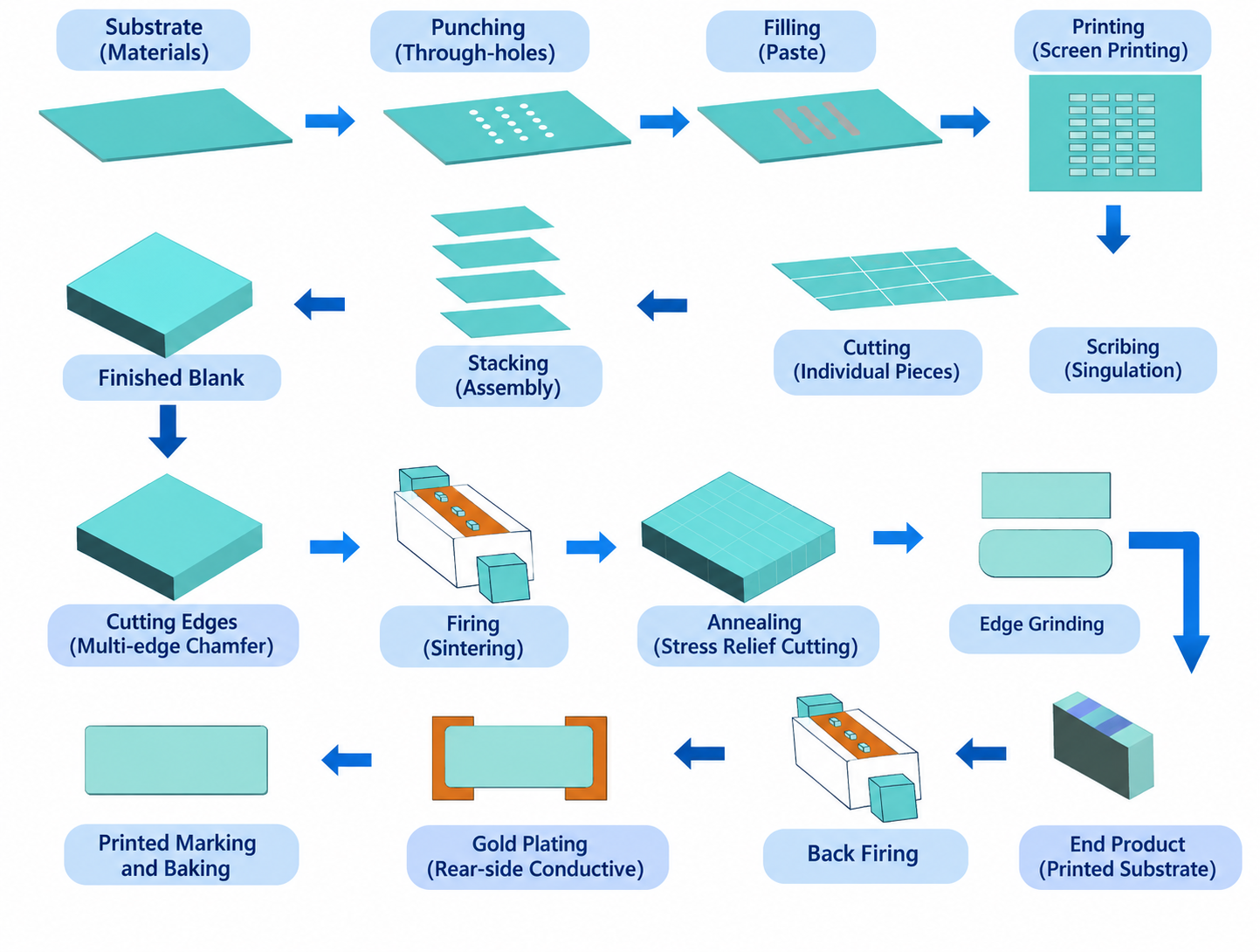
(Figure1.LTCC Filter Manufacturing Process)
The high-precision thick film screen printing process has the advantages of a relatively simple process flow, low cost, and high printing precision. It is widely used in green ceramic via filling printing, green ceramic electrode printing, and terminal electrode printing of LTCC filters. The printing process flow is detailed below: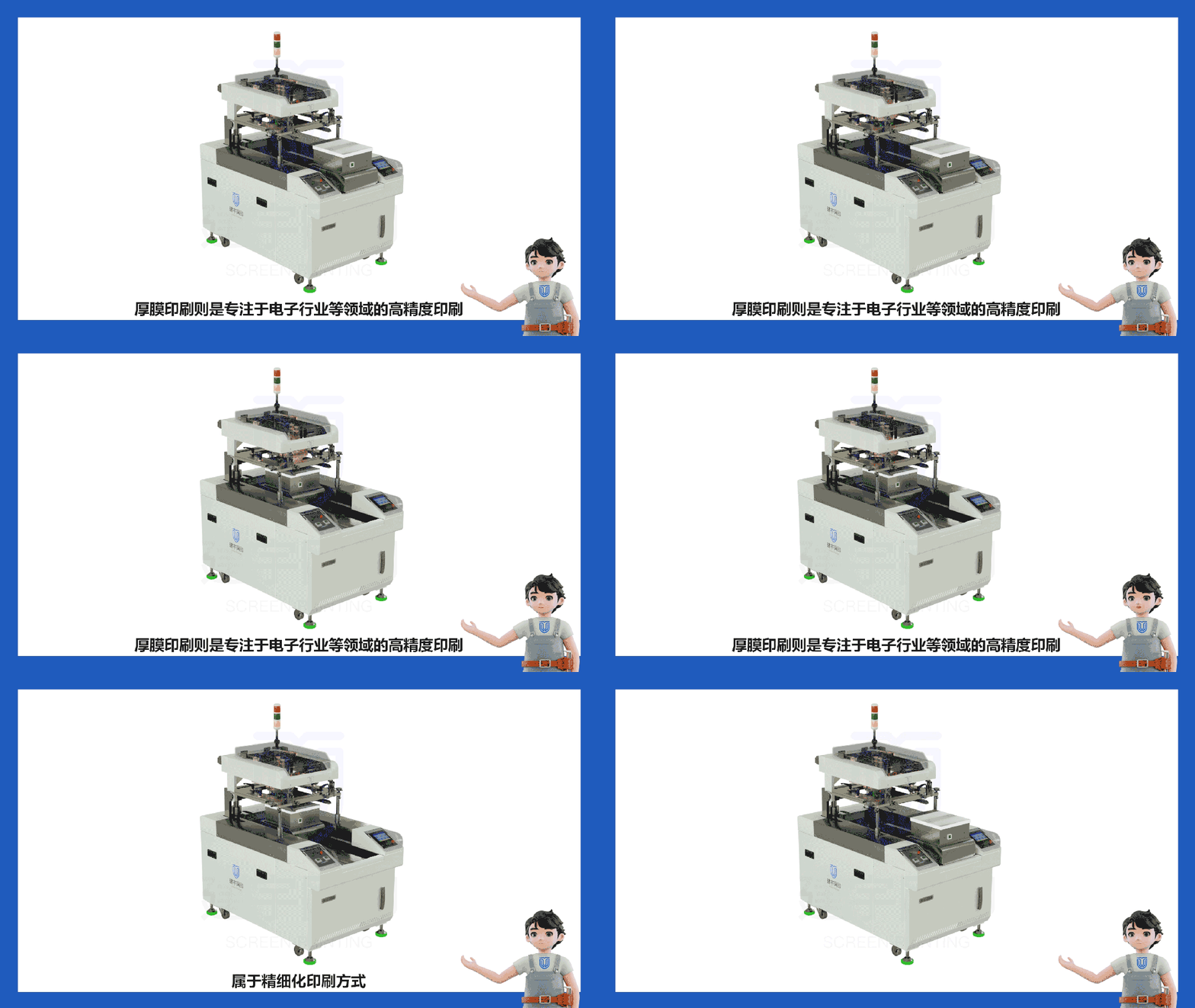
1. Printing Principles
1.1 Electrode Layer Printing: Screen printing technology is used to coat conductive paste onto the substrate surface, and then high-temperature sintering is applied to firmly bond the paste to the substrate surface.
1.2 Via Filling Printing: The paste is evenly printed into the entire via hole. The paste inside the hole must be full and uniform, with no paste spilling out around the outer ring of the hole, to ensure the reliability of interlayer electrical connections.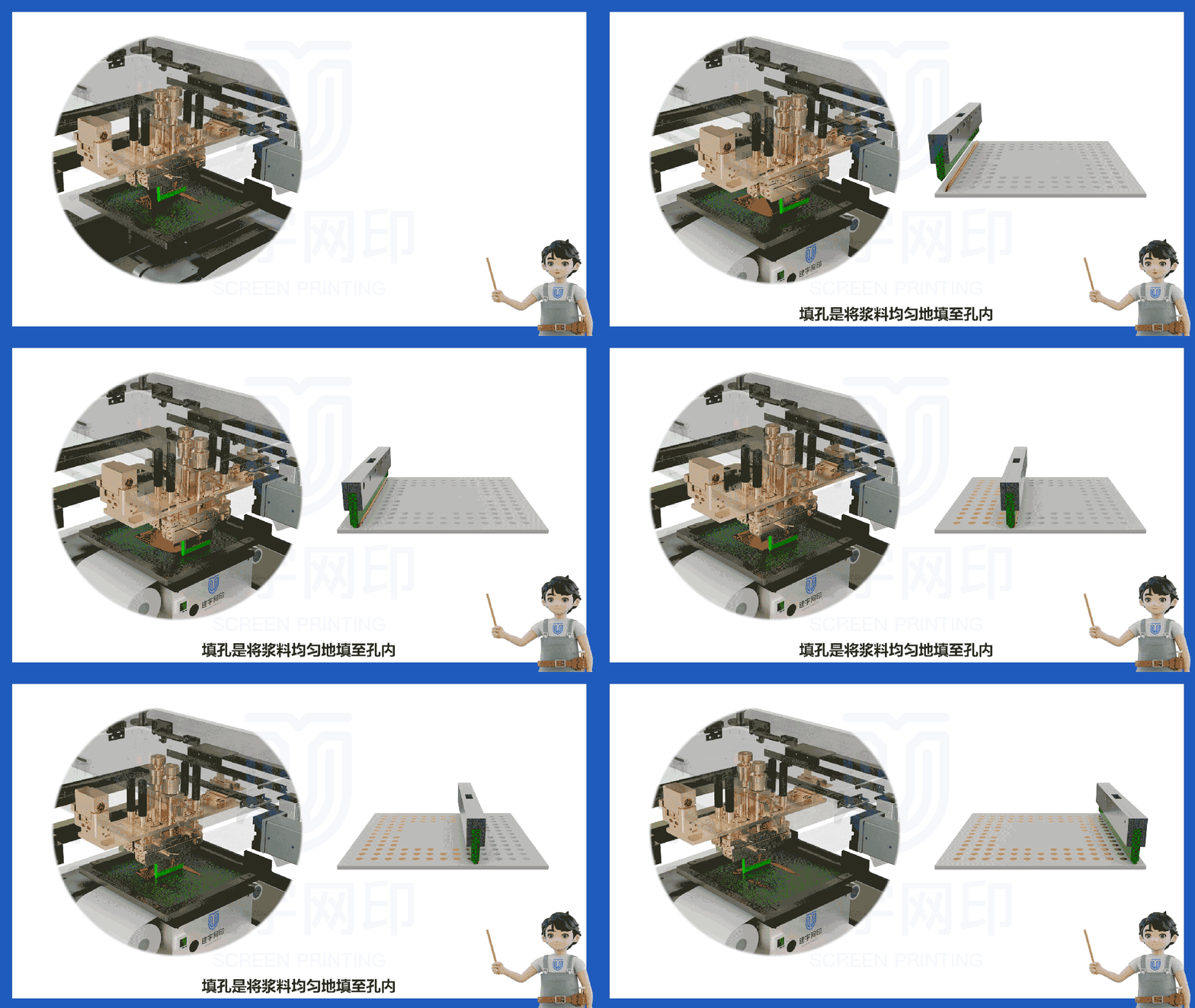
2. Process Flow Stages
2.1 Screen Preparation: Electrode printing usually adopts high-precision composite screens, while via filling printing mostly uses high-precision steel plate screens.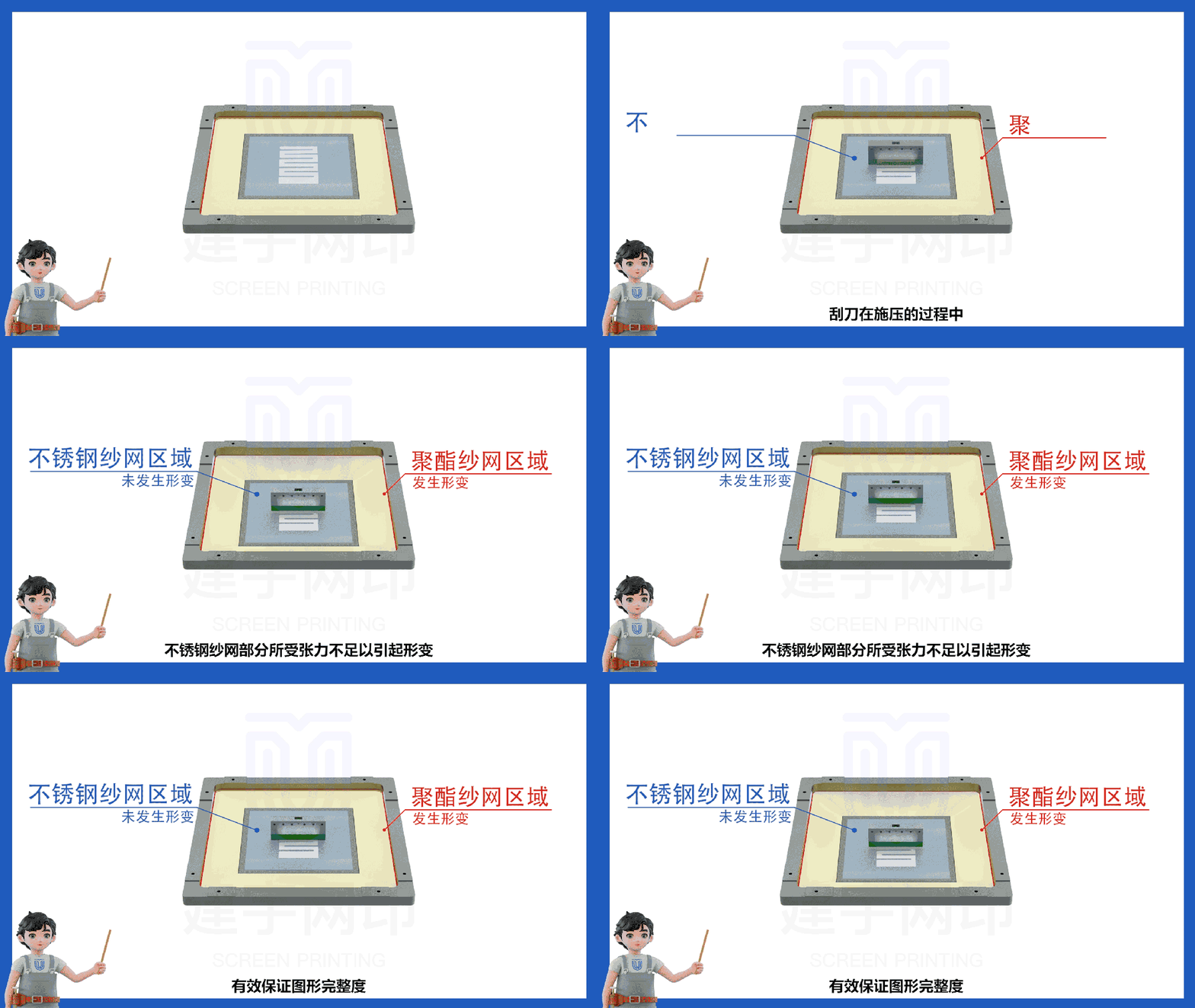
2.2 Paste Preparation: Metal paste is used for electrode printing, and dedicated via-filling paste is used for via filling printing.
2.3 Equipment Selection
2.3.1 Electrode Layer Printing Machine:
Adopts a high-precision thick film printing machine, such as the IC-200A-CCD model, with a printing area of 200*200mm. It uses a three-axis alignment platform and is equipped with a CCD automatic positioning system, providing high printing alignment accuracy and ensuring batch printing consistency. The printing pressure is controllable, printing parameters are adjustable, and the film thickness deviation is ±5%.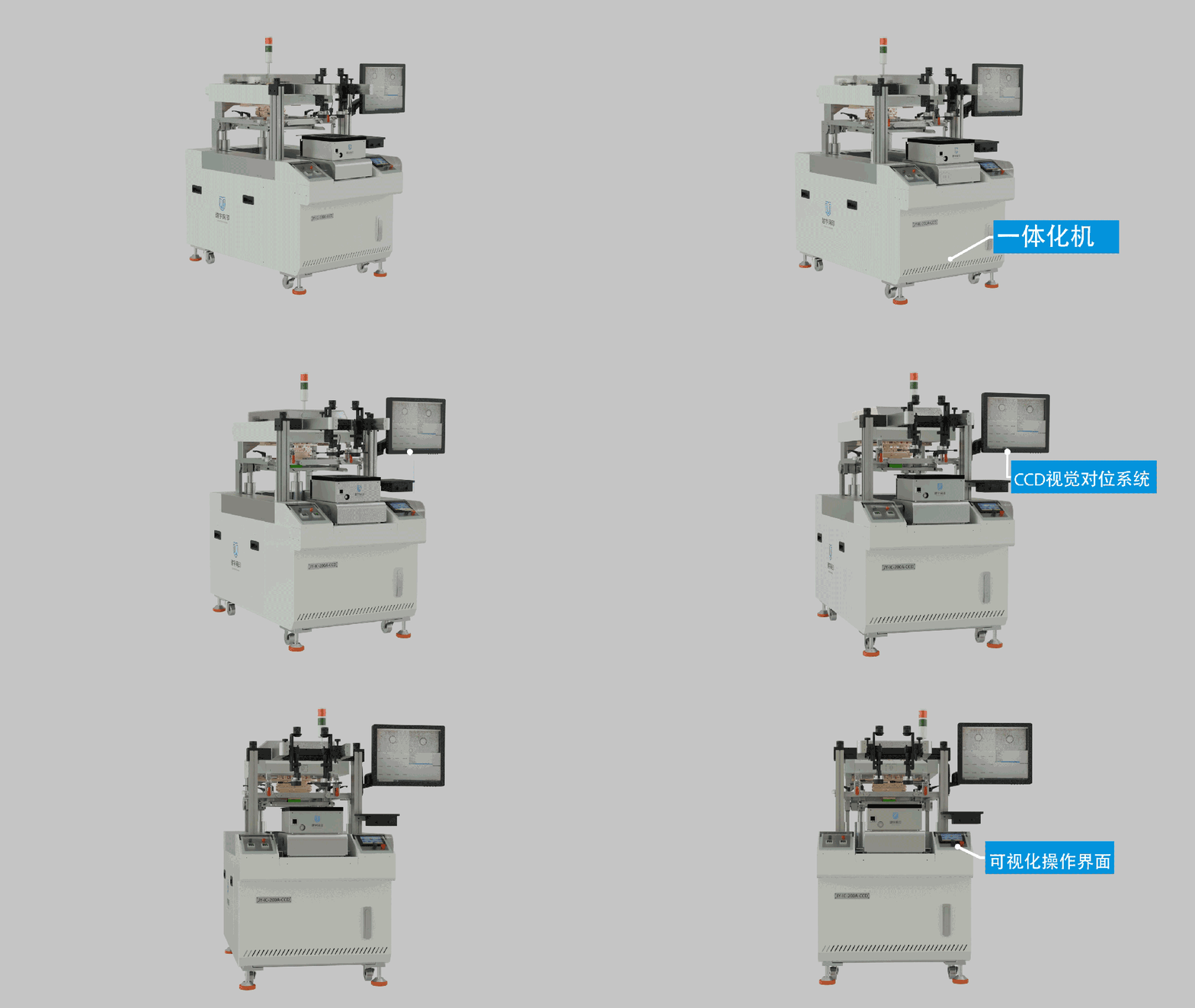
2.3.2 Via Filling Printing Machine
Adopts a high-precision via filling printing machine, such as the HG-250SH-LTCC model, with a printing area of 180*180mm, CCD automatic alignment, and precise via filling.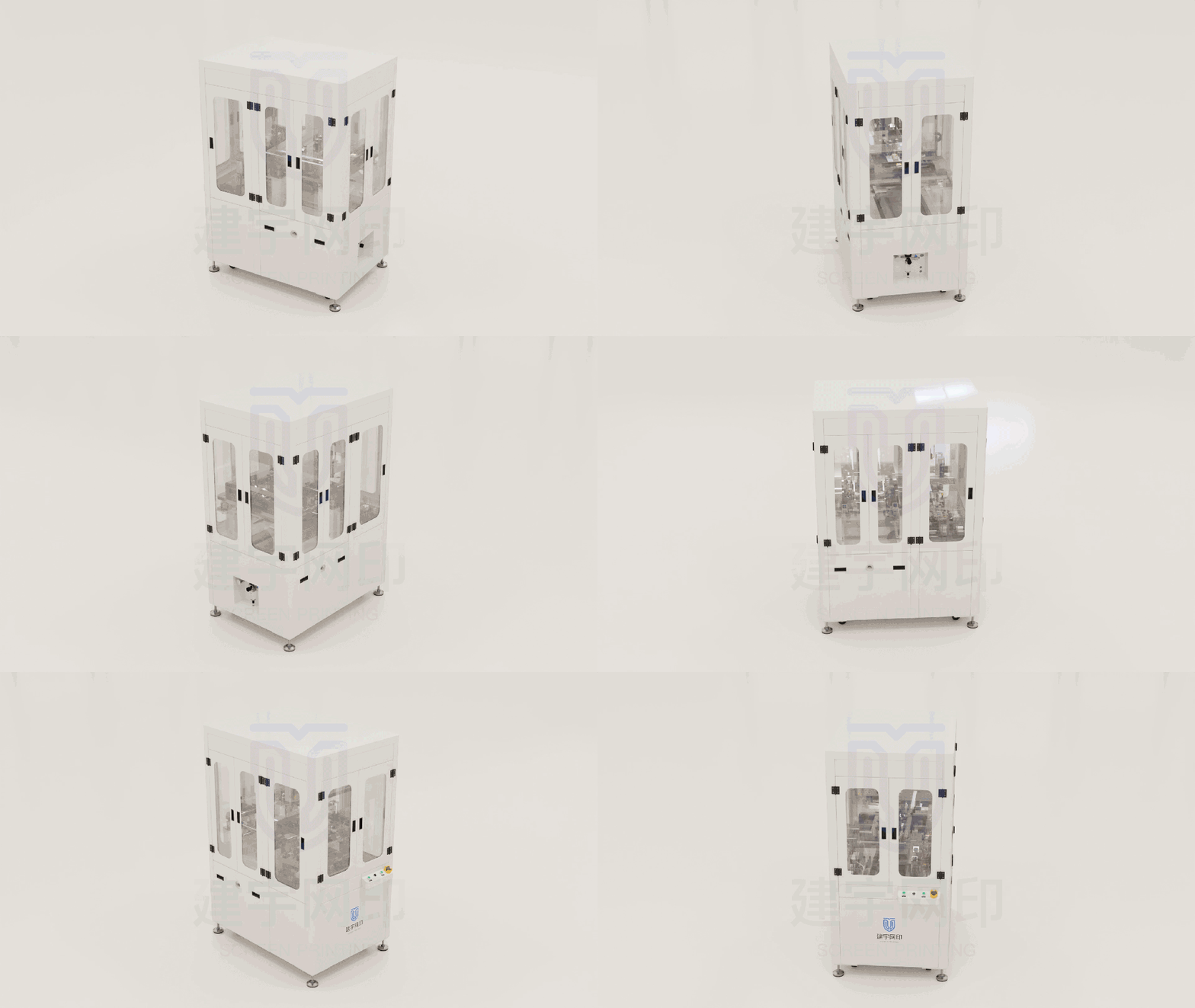
The platform adopts a microporous ceramic platform with uniform adsorption, ensuring that the paste inside the vias is full and uniform.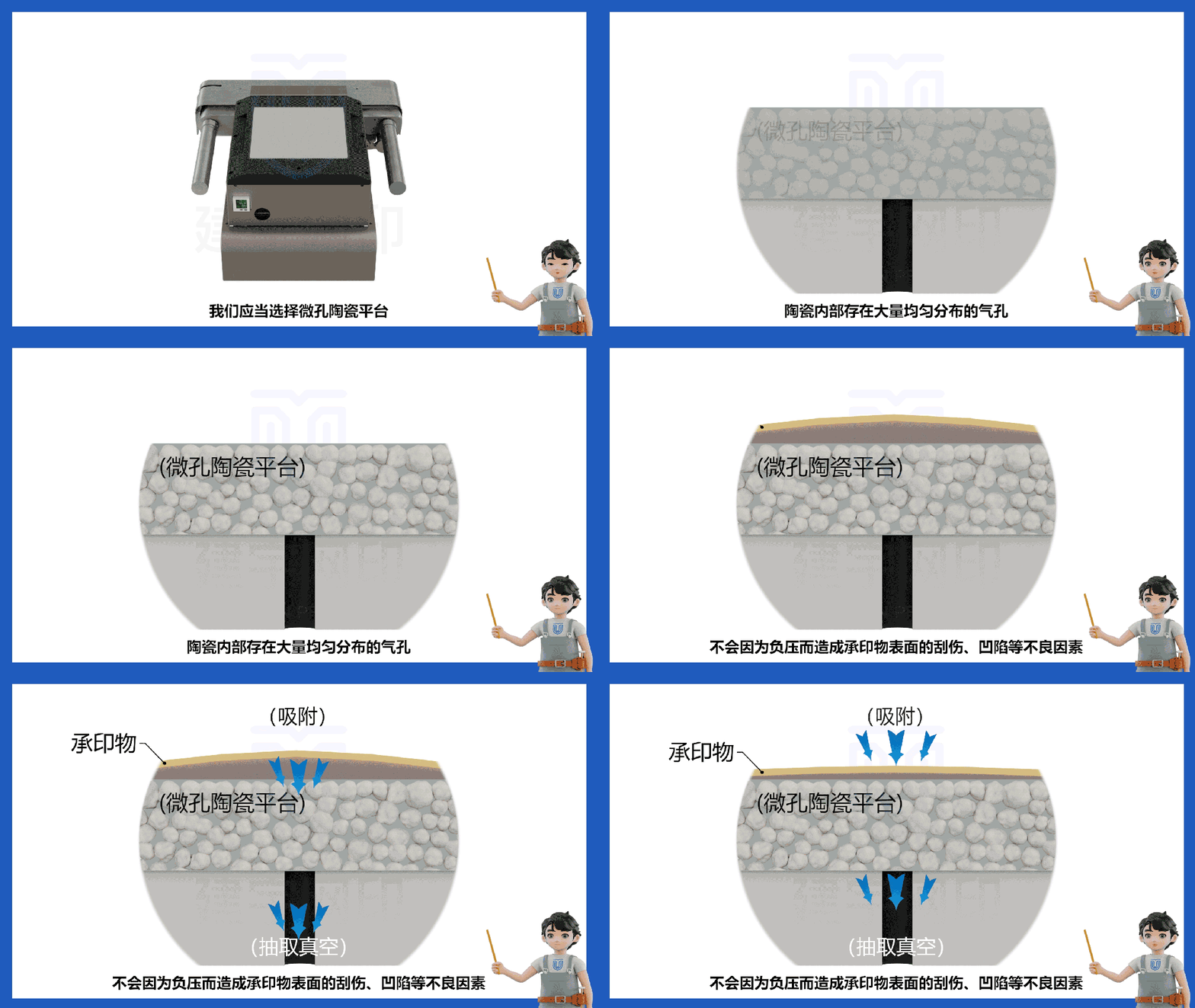
2.4 Printing Efficiency: Taking the thick film printing machines produced by Jianyutec as shown in the figure above as an example, a semi-automatic printing machine achieves a single print cycle in 8-10s. Fully automatic printing production lines can be customized based on production capacity requirements to further improve production efficiency.
As a key process in the manufacturing of LTCC filters, the high-precision thick film screen printing process has irreplaceable advantages in via filling and electrode printing. By optimizing screen design, paste formulation, and printing equipment, this process can effectively guarantee the electrical performance and reliability of filters, supporting the mass production and application of 5G and related high-frequency communication equipment. Continuous improvement in process control and equipment automation levels will be an important approach to enhancing the performance and manufacturing efficiency of LTCC filters.