MLCC is composed of three layers of metal layers: ceramic dielectric, inner electrode metal layer, and outer electrode. The preparation process is complex, including 13 key steps and high technical barriers. The main process flow is as follows: the slurry is cast to form a ceramic film, electrode slurry is printed on the ceramic film, then staggered stacking and co firing are carried out to form a chip, and finally external electrodes are sealed at both ends of the chip.
MLCC (Multi Layer Ceramic Capacitor) is one of the main passive surface mount components in electronic products. It has excellent performance, multiple varieties, complete specifications, and small size, and is widely used in various industries such as information technology, consumer electronics, communication, new energy, and process control. We will delve into the structure and preparation process of MLLCC, with a focus on the technical application of high-precision thick film screen printing technology in the preparation of MLCC internal electrodes.

(Chip multilayer ceramic capacitor)
Structure and Preparation Process of MLCCMLCC is composed of three layers of metal layers: ceramic dielectric, inner electrode metal layer, and outer electrode. The preparation process is complex, including 13 key steps and high technical barriers. The main process flow is as follows: the slurry is cast to form a ceramic film, electrode slurry is printed on the ceramic film, then staggered stacking and co firing are carried out to form a chip, and finally external electrodes are sealed at both ends of the chip.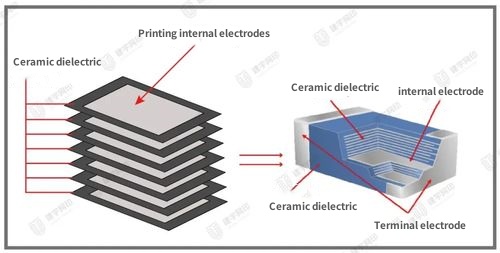 Application of high-precision thick film screen printing technology in the preparation of MLCC internal electrodes1. Internal electrodeIn MLCC, the internal electrode is a critical location for storing charges and conducting electricity, and its performance directly affects the stability of MLCC capacitors. At the same time, the internal electrode needs to stack hundreds or even thousands of layers, so the thickness and uniformity of the film layer are extremely high. The use of high-precision thick film screen printing technology to prepare internal electrodes can accurately control the printing film thickness and accuracy, thereby ensuring the stability and continuity of MLCC multi-layer electrode stacking.2. Details of internal electrode printing process① Printing environment: Purification workshop, indoor temperature between 22-66 degrees, relative humidity around 65%.② Printing section and requirements: Print metal paste on ceramic film, ensuring complete and clear graphics, uniform and consistent film layer, and avoiding defects such as burrs, serrations, white spots, pinholes, etc.
(Jyutec MLCC microscope magnifies printed products)
③ Screen requirements: Use a composite screen with a cast frame to improve printing accuracy and stability.
④ Printing requirements: Use high-precision screen printing machine IC-200A-CCD, equipped with CCD automatic alignment printing platform to ensure accurate printing alignment and small film thickness deviation.
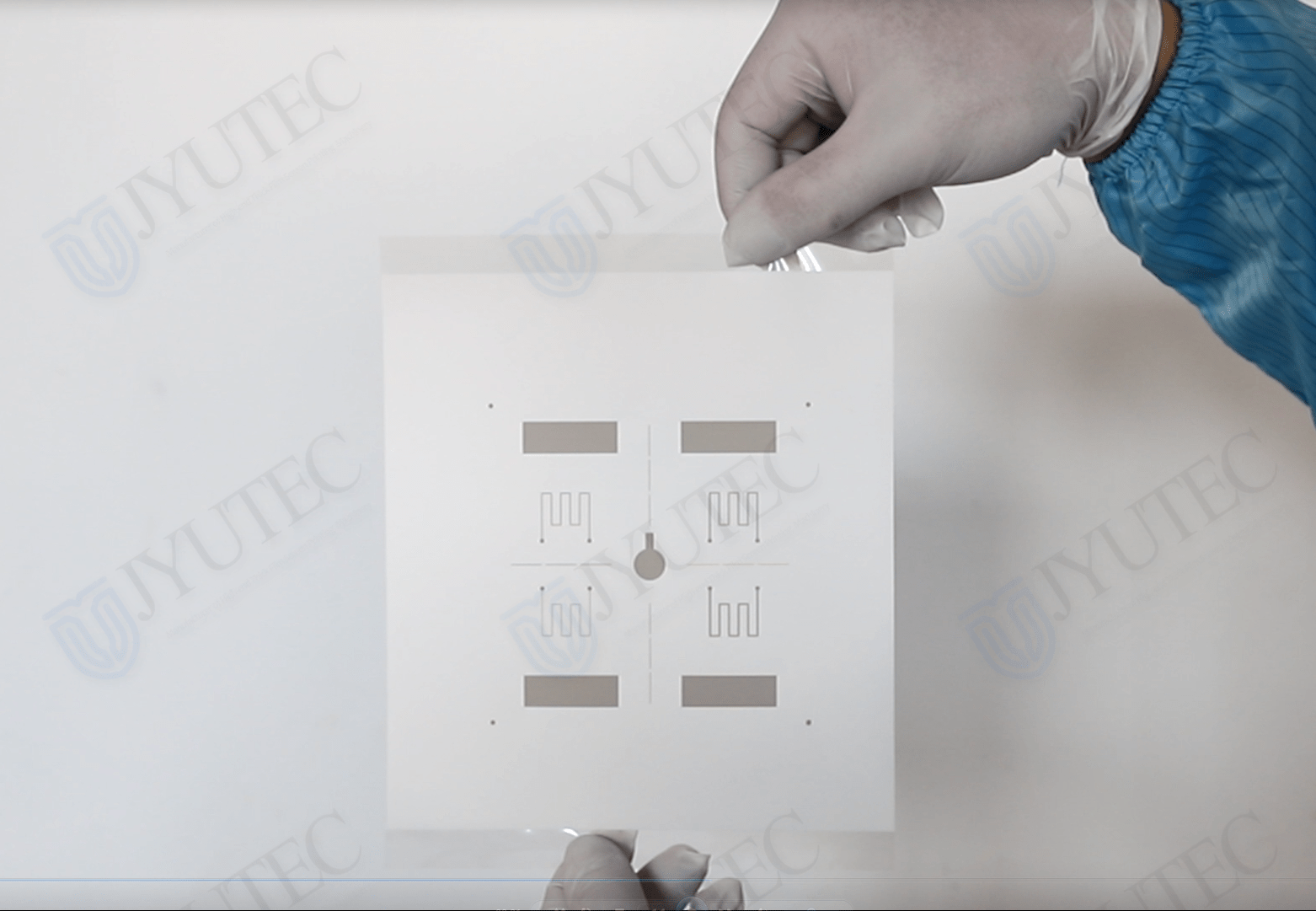
⑤ Sintering: After each printing, it needs to be dried at a temperature controlled between 120-150 degrees Celsius for 5-10 minutes before entering a high-temperature sintering furnace for sintering. This process is crucial for the bonding between the electrode and the ceramic dielectric layer, as well as for the final performance of the capacitor.
With the booming development of the electronics industry, MLCC, as an important component of electronic components, continues to grow in market demand. The application of high-precision thick film screen printing technology in the preparation of MLCC internal electrodes not only improves the performance and stability of capacitors, but also promotes the continuous innovation and development of MLCC technology. In the future, with the continuous advancement of technology and further cost reduction, high-precision thick film screen printing technology is expected to play a more extensive role in the field of MLCC, contributing more to the development of the electronics industry.