CGM dynamic blood glucose monitor is an advanced diabetes management tool, which can monitor the blood glucose changes in the next 7-14 days by implanting micro sensors under the skin. The preparation of its metal electrode often results in deviations in the secondary printing position, such as curling of the substrate after printing and drying, which affects the accuracy of the electrode; The substrate itself has large errors, resulting in frequent alignment failures and other issues.
CGM dynamic blood glucose monitor is an advanced diabetes management tool, which can monitor the blood glucose changes in the next 7-14 days by implanting micro sensors under the skin. The sensor is the highest and most critical component of the CGM system, consisting of a metal electrode, inner layer, enzyme layer, and outer layer, which directly determines the accuracy of the measurement results of the CGM system. Therefore, the preparation process of the metal electrode is crucial.
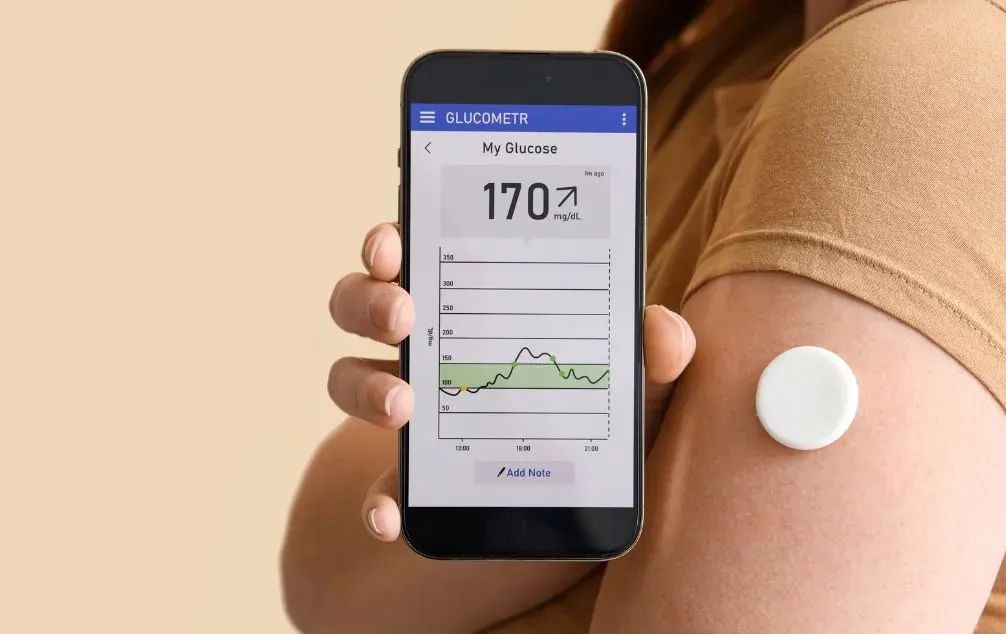
(From the internet)
Problem 1: After printing and drying, the substrate curled up, causing deviation in the secondary printing positionSolution: Use the jyutec IC-250-LTCC model, which is equipped with a dedicated adsorption platform to firmly fix the substrate on the platform, and use the MARK point alignment method for automatic alignment to minimize the degree of printing position deviation.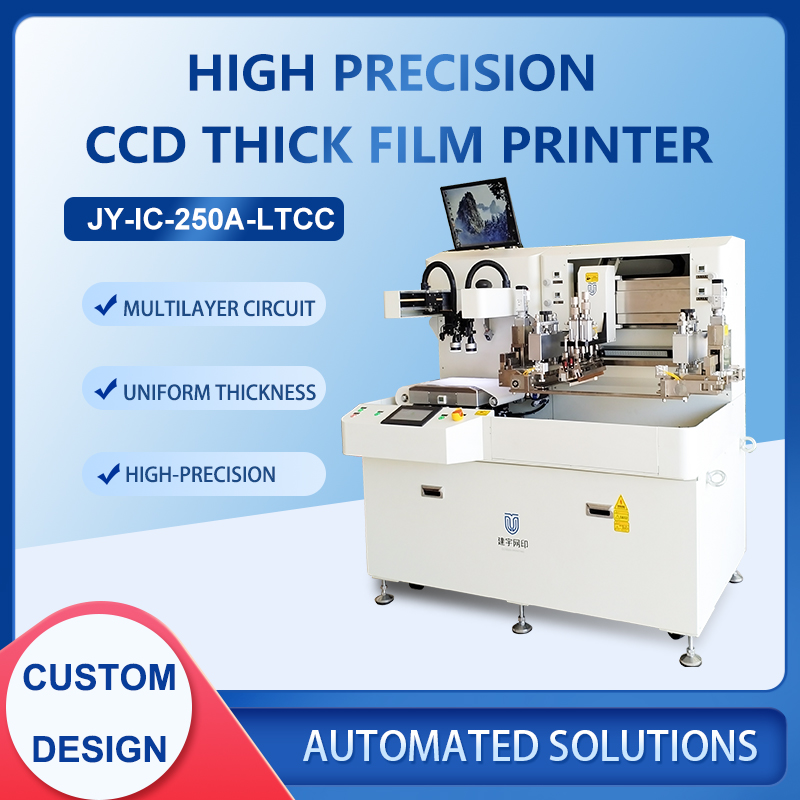
(High precision thick film printing machine IC-250A LTCC)
Problem 2:The substrate itself has a large error, causing frequent alignment failures and other issuesSolution: Optimize the process sequence between substrate and printing to reduce the impact of substrate errors on printing accuracy.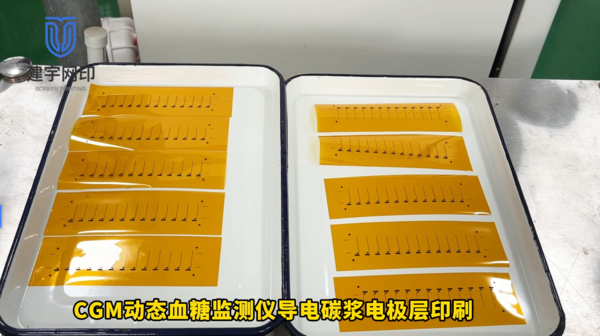
(CGM dynamic blood glucose monitor sampling)